Ahead of NEM Dubrovnik 2026, we asked eight industry leaders a question that looks beyond the headlines and into the quieter forces shaping the TV industry:
To explore this, we brought together perspectives from across the industry. Their answers highlight the blind spots, challenges, and nuances that often go unnoticed, yet play a key role in how the industry evolves.
Let’s see what they had to say.
Sandra Lehner, Entertainment Executive, TV Futurist
Caroline Hurmson, Senior Director Content Strategy, Acquisition and Sales, Antenna Entertainment
Peter Wassong, Head of TV Content Europe, Deutsche Telekom
 Caroline Hurmson
Senior Director Acquisition, Sales and Content Strategy, Antenna Studios
“The simple answer is: the audience. People move between linear TV, streaming platforms, social media, short-form video, and on-demand content with ease. They simply choose what feels relevant, accessible, and worth their time.
At Antenna Group, working across content, channels, and international distribution, we see every day that audience behavior is becoming more complex. Audiences differ by market, platform, mood, and viewing habits, and successful content travels globally when it connects emotionally while also remaining locally relevant.
Many factors come into play when it comes to programming: personal preference, financial pressure, ratings, profitability, and the need to please an audience. All of these affect our ability to find the right content and get viewers engaged, while also making the process commercially viable.
Content decision-makers face the challenge of producing or buying ideas that resonate with them personally, while also needing to appeal to audiences they may never meet. Programming requires professionalism, perspective, and a clear understanding of the financial pressures behind the scenes. Data, research, and analytics are valuable tools, but they should support creativity, not replace it.
The audience is both the viewer and the revenue source. If the audience does not watch, then content cannot generate revenue or justify subscription costs.
Great storytelling remains what matters most in the battle for consumers, regardless of changing platforms and business models. We see this with our own Antenna productions such as Serres and Wild Bees, or our evergreen library title Brousko: strong stories can travel when they connect with audiences on a human level.
Audience feedback should never be ignored. In a world of fast-paced social media, the feedback loop is immediate: social media conversations, ratings, viewer feedback, and engagement all tell us what is working and what is not.
An active engagement with audiences through social media, behind-the-scenes content, and interactive elements, fostering a community around our content.
The goal should be to make audiences feel like active participants rather than passive consumers.
Be open-minded to new content ideas and models, e.g. TikTok videos and YouTube. What counts as content is increasingly decided by audiences, not by the industry alone. The industry needs to move with the times and find ways to connect traditional and digital content in a way that serves viewers and creates value.
Ultimately, engagement is what drives retention, loyalty, and commercial success. The companies that listen closely to their audience will be the ones that break through. In a fragmented media landscape, the audience is not just the end point of the process — it should be the starting point.”
Caroline Hurmson is participating in the panel The Hybrid Future of TV Distribution in 2026. Is Satellite Still “Sexy”, Relevant or Just Necessary? sponsored by SES, 11:45 – 12:30, June 9th
 Christian Grece
Senior Analyst, European Audiovisual Observatory
“Public broadcasters have an ace up their sleeve. While everyone is talking about Netflix, Disney+, and Amazon, Europe’s public broadcasters, such as the BBC with iPlayer, France Télévisions with France.tv, ARD/ZDF with Mediathek, and RAI with RaiPlay, have decades of beloved, fully owned IP at their disposal. They don’t need to recoup $200 million film budgets. Their cost-per-viewer economics are fundamentally superior, yet they are largely ignored in the global conversation. Recent collaborations between Disney+ and several Western European public broadcasters recognise that audiences value access to local content.”
Christian Grece is moderating NEM Kickoff Three Media Trends powered by European Audiovisual Observatory, 16:15 – 17:15, June 8th.

Ivan Ljubičić
Managing Director, Mediavision, NEM Dubrovnik, NEM Zagreb, Pickbox
“What’s often overlooked is the power of brand. In a world of endless choice, audiences don’t just pick content, they pick trusted destinations. Even if there may be something more interesting elsewhere, people return to brands they know and watch something there they wouldn’t choose elsewhere.”
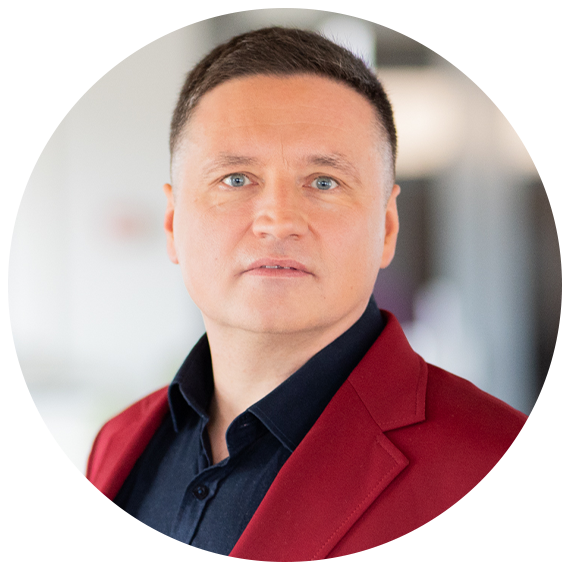 Jan Frelek
CCO, Backscreen
“Microdramas are often seen as something micro. In fact, vertical video is the major trend, already securing a large share of the ad pie. It’s a trend not to observe, adapt to, and manage, at the cost of losing future audiences.”
Jan Frelek is moderating the panel The Trend You Think Is Overhyped sponsored by Backscreen, 17:00 – 17:45, June 10th.

Maria Rue Aguete
Head of M&E, Technology Fellow, Omdia
“One of the most overlooked aspects of the TV and streaming industry is the continued importance of aggregation and discoverability. While the market often focuses on content spending, subscriber growth, or technology, the real battle increasingly lies in helping consumers navigate an overwhelming amount of choice.
Consumers do not think in terms of platforms; they think in terms of entertainment, convenience, value, and time. The companies that will succeed are not necessarily those with the biggest content budgets, but those that make discovery easier, create seamless user experiences, and build smart partnerships across ecosystems.
Another point that is sometimes underestimated is how global the industry has become. Local content, regional partnerships, and culturally relevant storytelling are now critical drivers of international success. We are seeing audiences embrace stories from everywhere, and that is reshaping the economics and creative dynamics of the industry.
Additionally, the rise of mobile usage and the growing popularity of short-form content, such as microdramas and vertical videos, are reshaping how audiences consume entertainment. Attention spans are shorter, and platforms that cater to these evolving habits are gaining traction across all age groups.”
Maria Rua Aguete is moderating the panel What Mega Mergers Mean for the Future of Media, 09:30 – 10:30, June 10th and participating in the panel Micro-drama in CEE: Safe Bet or Risky Business? sponsored by Prva TV, 15:15 – 16:00, June 10th.

Natalija Gorščak
President of the Management Board, RTV Slovenia
“I think that promotion inside and outside the industry is overlooked in the TV and streaming industry. With the colorful offer of platforms, it’s extremely difficult to detect which one is the right one. Good promotion helps users to choose; with good promotion we can ‘catch’ users on other platforms and media and bring them (perhaps even back) to our own platforms.”
Natalija Gorščak is participating in the panel The Leader’s Decision Making: Intuition vs. Strategy, 09:45 – 10:45, June 9th.
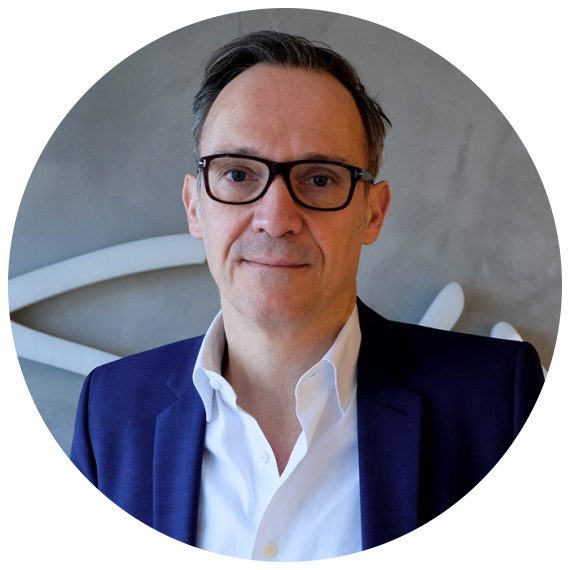
Peter Wassong
Head of TV Content Europe, Deutsche Telekom
“One overlooked aspect of the streaming industry, especially when partnering with us telcos, is profitability. This may sound trivial, but it’s a widely overlooked issue. While the streaming industry mostly talks in terms of subscriber growth, we telcos live in a world of margins, ARPU, and costs — and these two worlds do not always align. Streamers want telcos to act as subsidised acquisition channels, but telcos need to act as profitable distributors. This creates a structural imbalance.
We deliver scale, lower churn, integrated billing, reduced direct marketing costs, and access to more difficult customer segments to streamers. However, this access only works sustainably when it is reflected in the commercial framework. A streaming partnership that grows subscriber numbers but destroys our margin is not a partnership; it’s outsourced customer acquisition for the streamer.”
Peter Wassong is participating in the panel Why CEE Operators’ Decisions Work Differently, 16:00 – 16:45, June 9th.

Sandra Lehner
Entertainment Executive, TV Futurist
“We still underestimate how much habit drives viewing. It’s not just about what people want to watch – it’s about what fits into their daily routines, which is why formats, release strategies, and even length matter more than we admit.
I don’t think it’s true that Gen Z doesn’t watch long-form content – they absolutely do, but it depends on context, mood, and where they are in their day. Viewers move between short-form and long-form throughout the day. That’s why platforms like Netflix are experimenting with more mobile-first, discovery-led ways of bringing people back across different moments.
And in a subscription world, the real challenge is churn – so the goal is to turn viewing into habit, either a daily ritual or a weekly appointment, like we see with shows such as The White Lotus, where weekly release builds anticipation and conversation. Because habit is what turns attention into retention.”
Sandra Lehner is participating in the panel What Mega Mergers Mean for the Future of Media, 09:30 – 10:30, June 10th.